


Welcome to my kitchen! I am thrilled to share my authentic take on a beloved dish that hails from the vibrant streets of Peshawar, Pakistan. This iconic meal has become a staple in many South Asian restaurants and homes around the world.
In this guide, I will show you how to make chapli kebabs that capture the rich flavors and textures of this traditional delicacy. Whether you are a novice cook or someone with more experience, my simple instructions will help you achieve that perfect balance of juicy meat and crispy edges.
Join me on this culinary journey as we recreate the delicious tastes of Peshawar. Every bite will be packed with the authentic spices you crave, making your home-cooked meal a true delight!

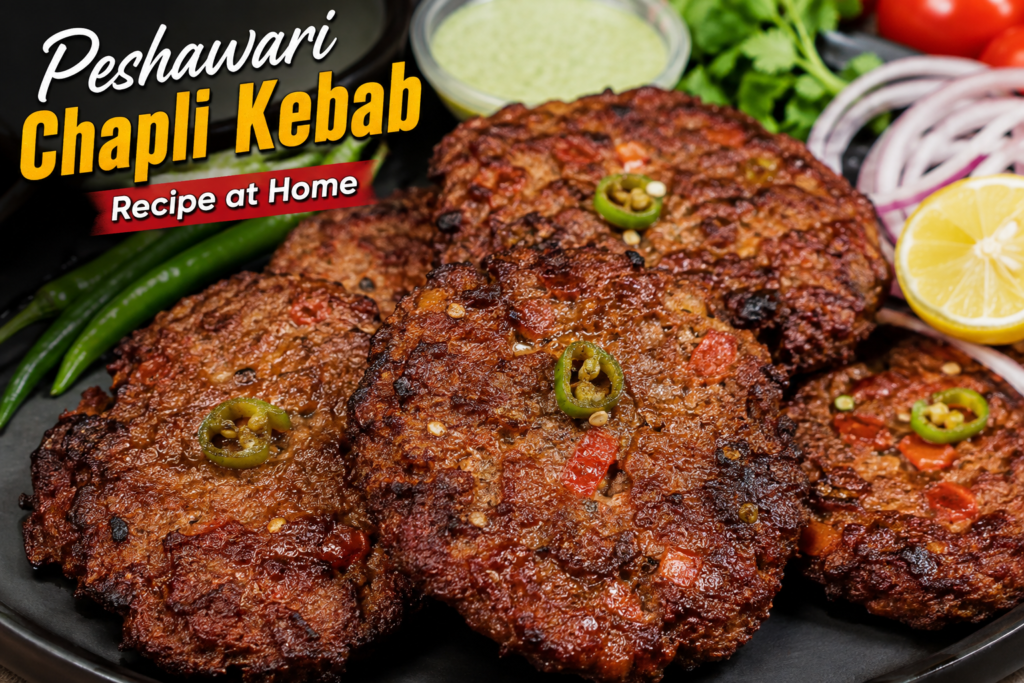
A delicious plate of Peshawari Chapli Kebab sits invitingly on a rustic wooden table, garnished with fresh coriander and sliced onions. The kebabs are perfectly browned with crispy edges, showcasing their juicy texture. In the background, there's a gentle blur of traditional Pakistani kitchen elements, like clay pots and spices, hinting at their aromatic flavors. Soft, warm lighting creates a cozy and inviting atmosphere, emphasizing the kebabs' vibrant colors and appetizing sheen. A subtle depth of field draws focus to the kebabs while keeping the background elements delicately out of focus. This image captures the essence of homemade Peshawari Chapli Kebab, perfect for showcasing the culinary art from Sajidcooks.com.
Let’s dive into the rich history of chapli kebabs. My journey with this dish began when I learned that the name comes from the Pashto word chaprikh, which means flat. This unique shape is essential for the kebab's texture and flavor.
Peshawar, Pakistan, is home to over 2,000 kebab houses, each dedicated to perfecting this beloved dish. This showcases its deep-rooted status in Pashtun cuisine. While many modern recipes have evolved, the authentic taste of a traditional beef chapli kebab relies on a specific selection of spices.
Over the years, I have refined my approach to ensure my version captures the essence found in Peshawar's bustling street markets. Understanding the cultural significance of the word helps appreciate why the flat shape is so vital for achieving the correct taste in every bite.
| Aspect | Details |
| Name Origin | Derived from Pashto word "chaprikh" meaning flat |
| Location | Peshawar, Pakistan |
| Kebab Houses | Over 2,000 dedicated to chapli kebabs |
| Spices Used | Specific, limited selection honoring Pashtun heritage |

A beautifully arranged plate of Peshawari Chapli Kebabs, showcasing the juicy, spiced meat patties garnished with fresh herbs and finely chopped onion. The kebabs have a golden-brown crust, with visible spices that hint at their rich flavor. To the side, include a small bowl of tangy yogurt sauce and a colorful assortment of fresh vegetables, such as sliced tomatoes, cucumbers, and green chilies. The background features a rustic kitchen setting with warm, natural lighting that enhances the inviting atmosphere, evoking the feeling of home cooking. The image should be taken from a slight overhead angle to capture the vibrant colors of the ingredients, perfect for illustrating a recipe. Add the brand name "Sajidcooks.com" subtly in the corner, ensuring a clean and professional presentation.
Let's explore the key ingredients that make this dish unforgettable. To start, you will need 1 lb of beef with an 80% lean and 20% fat ratio. This balance is crucial for keeping the meat juicy and tender.
In my spice blend, I always include crushed coriander seeds, pomegranate seeds, and red chili powder. These ingredients ensure the authentic taste that defines a classic chapli kebab. Additionally, fresh ingredients like finely chopped onion and coriander leaves add freshness to the mix.
For those who want to experiment, consider adding a layer of melted cheese on top. This modern twist complements the savory spices and rich beef mince perfectly.
Here’s a quick overview of the essential ingredients:
| Ingredient | Purpose |
| Beef | Base for kebabs, ensures juiciness |
| Coriander Seeds | Key spice for flavor |
| Pomegranate Seeds | Adds sweetness and texture |
| Red Chili Powder | Provides heat |
| Cheese (optional) | Enhances flavor and richness |
Now, we’ll focus on how to prepare and marinate the meat for our dish. Proper preparation time is essential for developing the flavors of the spices. I recommend allowing the beef mince mixture to marinate for at least 1 hour. This time lets the coriander seeds and pomegranate seeds infuse their flavors into the meat.
For an even richer taste, consider leaving the mixture in the fridge for up to 6 hours or overnight. This extra time is well worth the wait! When mixing, ensure that the egg, spices, and fat are thoroughly incorporated into the beef. This will create a cohesive mixture that holds together well in the pan.
This 10-minute preparation step is crucial. It ensures that every ingredient, from the onion to the salt, is evenly distributed throughout the beef. By taking the time to properly marinate, you ensure that the final result is as tender and flavorful as the traditional versions served in Peshawar.
| Step | Description |
| Marination Time | At least 1 hour; up to 6 hours for better flavor |
| Preparation Time | Approximately 10 minutes |
| Mixing Tips | Incorporate egg, spices, and fat thoroughly |
| Key Ingredients | Beef mince, coriander seeds, pomegranate seeds, onion |
Get ready to transform your beef mixture into delightful patties. The first step is to shape the mixture into flat patties. Make sure to nestle a slice of fresh tomato into the center of each patty. This traditional technique not only adds moisture but also enhances the visual appeal of your dish.
Next, heat enough oil in a large pan for shallow frying. This method is preferred over grilling, as it creates a crispy exterior. Carefully slide the patties into the hot oil and fry each side for about 5-6 minutes. Flipping only once or twice ensures that the outside becomes perfectly crispy while the inside remains juicy.
During the frying stage, keep a close eye on the patties. The high heat is essential for achieving that signature deep brown color. Once cooked, serve your kebabs hot alongside a refreshing raita. This cooling side contrasts beautifully with the bold spices in the beef mixture.
Every great dish comes with a few secrets, and chapli kebabs are no exception. As I’ve cooked these delicious patties, I’ve gathered some essential tips that can make a difference in your kitchen.
For beginners, I recommend flipping the kebabs only once or twice. This helps maintain their structural integrity and ensures an even, crispy crust. If you notice the exterior browning too quickly, adjust the flame to a medium-low setting. The goal is to cook the meat through without burning the spices.
Here are some insights from my kitchen:
Now, let’s focus on the delightful ways to serve this flavorful dish. Traditionally, these kebabs shine when paired with warm naan fresh from the tandoor, a side of yogurt-based raita, and a crisp salad of sliced red onions.
In the colder months, it’s customary to enjoy this meal with a steaming cup of hot green tea, known as kahwah, which adds a comforting touch.
Understanding how to store and adapt your chapli kebabs can enhance your culinary experience. If you have leftovers, store them in an airtight container in the refrigerator for up to 3 days. This keeps them moist and ready for your next meal.
When reheating, I suggest using a pan over low heat for a few minutes. This method helps restore the crispy texture without drying out the meat.
You can easily adapt this recipe by substituting the beef with mutton or chicken. However, the traditional taste is most authentic when using high-quality beef mince.
Remember, the word "chapli" refers to the flat shape. So, even when you reheat your leftovers, try to keep them in their original patty form. These storage tips ensure that you can enjoy your homemade chapli kebab whenever you have a craving, even if you are short on time during the week.
| Storage Tip | Details |
| Leftovers | Store in an airtight container for up to 3 days |
| Reheating | Use a pan over low heat for a few minutes |
| Recipe Adaptation | Substitute beef with mutton or chicken |
| Keep Shape | Maintain original patty form when reheating |
Bringing a taste of tradition into your home can be a rewarding experience. Mastering this recipe allows you to enjoy the rich flavors of Pakistan with ease. By focusing on quality beef and the right balance of spices, you can recreate an authentic taste that many love.
I hope this guide has inspired you to experiment with the techniques and ingredients that define this iconic dish. Remember, the word "chapli" signifies more than just a name; it promises a flat, crispy, and juicy kebab perfect for any occasion.
Thank you for joining me in the kitchen! I can’t wait to hear how your homemade kebabs turn out when you share them with your loved ones.
This iconic dish hails from the vibrant streets of Peshawar, Pakistan, and has become a beloved staple in South Asian restaurants and homes around the world. Its name comes from the Pashto word "chaprikh," meaning "flat," which reflects the kebab's signature flat patty shape. Made with beef mince, crushed coriander seeds, pomegranate seeds, and red chili powder, these kebabs are shallow-fried to achieve crispy edges while keeping the inside juicy and tender. Every bite captures the authentic street food flavors of Peshawar — a perfect balance of crispy texture and bold, spicy taste.
Patience is key — flip the patty only once or twice to prevent it from breaking apart. Adjust the heat of your pan as needed for optimal cooking; if the exterior browns too quickly, lower the flame to medium-low. The Pashto word "chaprikh" means flat, reminding us that the flat shape is intentional and allows for better texture. Serve with a side of fresh raita to balance the beef and chili flavors perfectly. Ensure your mince is cold before forming the patties to keep the fat solid. Store leftovers in an airtight container in the refrigerator for up to 3 days. Reheat using a pan over low heat for a few minutes to restore the crispy texture without drying out the meat. The recipe can be adapted by substituting beef with mutton or chicken, though beef gives the most authentic taste. When reheating, try to keep the kebabs in their original patty form to maintain their signature flat shape. Uncooked patties can be frozen — freeze them on a baking sheet first, then transfer to a freezer bag for easy storage.


