
 View Gallery
1 photo
View Gallery
1 photo
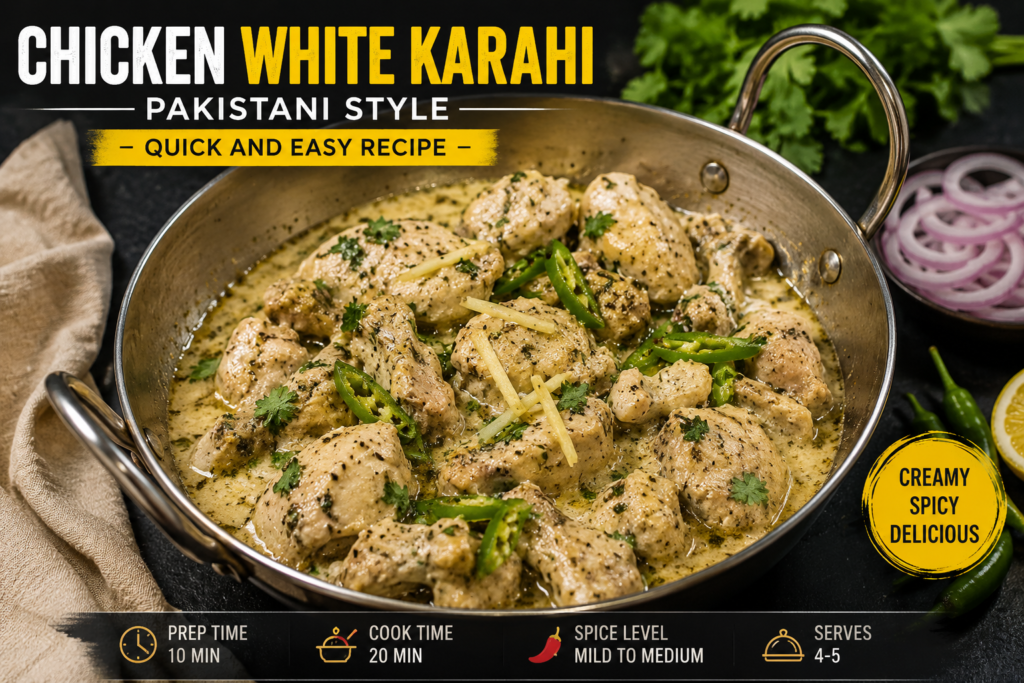
Craving a rich, creamy, restaurant-style curry you can make tonight? This version by Mariam Sodawater brings a silky sauce and gentle spices to your table in about 30 minutes.
White chicken karahi uses bone-in pieces so the sauce gains natural depth and fat for a true home-cooked taste. Simple ingredients like ginger, garlic, onions, yogurt, and fresh cream create that luxurious texture you want.
Seasoning blends of black pepper, white pepper, and garam masala give a refined heat that balances the cream. You cook it in a hot wok or pan to keep the meat tender while the sauce reduces to a glossy finish.
This meal serves as a hearty dinner at roughly 531 kcal per serving. Whether you adjust spice preference or try small variations, this chicken karahi version is reliable for busy weeknights and unexpected guests.

“Chicken White Karahi Pakistani Style Easy Recipe
Key Takeaways
- This white karahi version delivers creamy, restaurant-style curry in about 30 minutes.
- Bone-in chicken pieces boost flavor and richness naturally.
- Black pepper, white pepper, and garam masala create a balanced spice profile.
- Simple pantry ingredients plus a hot pan yield tender meat and glossy sauce.
- Mariam Sodawater’s method is great for weeknight meals and small gatherings.
Introduction to Pakistani White Karahi
This Dhaba favourite strips away the red tomato base and builds a pale, silky gravy from yogurt, cream, and a smooth onion paste.
The white chicken karahi version is a tomato-free twist on the classic chicken karahi. You’ll notice a milder heat and a creamier mouthfeel that highlights coriander, ginger, and garlic.
To get authentic results, you need a hot wok or a good pan so the pieces sear in hot oil. Proper searing locks juices and helps the spices toast quickly without burning.
- Flavor base: smooth onion paste plus yogurt and cream for body.
- Spice control: toast black and white pepper to adjust heat.
- Simple tools: a wok or heavy pan and a tablespoon of ginger-garlic paste.
This version keeps the cooking time short while retaining the richness of roadside Dhaba plates. With a few fresh ingredients and careful heat management, you’ll get a glossy, restaurant-style curry at home.
Why You Will Love This Chicken White Karahi Pakistani Style Easy Recipe
You’ll love this dish for its silky sauce and fast, no-fuss method that fits a busy weeknight.
The Rich and Creamy Flavor Profile
Fresh cream and yogurt coat the bone-in pieces to create a velvety curry that feels indulgent without fuss. Simple aromatics — ginger, garlic, and onions — build real depth while coriander and a dash of black pepper add warm fragrance.
The balance of cream, toasted spices, and a little oil gives you glossy sauce that clings to each piece. You can adjust the heat with an extra teaspoon of pepper or a pinch of spices to suit your family.
Time Efficiency for Busy Weeknights
This one-pot approach saves you both time and cleanup. Using a hot wok or heavy pan ensures quick searing, even heat, and a finished meal in under 30 minutes.
Keep a few pantry staples on hand and you can make recipe adjustments fast. For unexpected guests, this chicken karahi and its reliable flavors are a go-to that feels like a restaurant meal at home.
Essential Equipment for Authentic Results
A broad, hot surface helps you build intense, concentrated flavors as liquids evaporate fast and spices toast.
The key tool is the karahi or a quality non-stick wok that gives a wide cooking area for searing. A large surface helps sauces reduce quickly and lets spices bloom without steaming.
Use a heavy-bottomed pan to control heat and avoid burning. That steady base makes it easier for the sauce to thicken to a glossy finish while pieces cook evenly.
- Choose a durable wok or wide-mouthed pan for even browning and fast evaporation.
- A good pan also makes handling high heat safer and cuts down on sticking.
- Investing in proper cookware improves your white karahi and other traditional recipes like lamb or paneer.
With the right equipment, your homemade dish will more closely match the bold flavors and texture you expect from top roadside kitchens.
Fresh Ingredients You Need
A bright, market-fresh set of ingredients makes the difference between a good curry and a memorable one.
Exact measurements:
- ½ kg chicken pieces
- ¼ cup oil
- 1½ tbsp ginger garlic paste
- 1 medium onion, blended into a smooth paste
- 1 tbsp green chili paste
- ¾ cup whipped yogurt
- ¼ cup cream
- 4 medium green chilies (for garnish)
For the final touch, shred fresh ginger into thin julienne strips. Keep salt to taste and, if you like, ½ tsp garam masala powder to boost complexity.
These ingredients work together to build a balanced, creamy dish. Measure carefully and use fresh ginger and garlic to get the bright, aromatic finish you want.
Preparing Your Chicken and Aromatics
A well-made spice base sets the tone for a rich, balanced white karahi. Before you heat the pan, gather fresh ginger, garlic, and onions so nothing slows you down.
Making the Perfect Ginger Garlic and Onion Paste
A smooth, well-blended paste of ginger, garlic, and onions is the foundation that carries all other flavors. Blend these aromatics with a splash of water until no chunks remain. Aim for a consistent paste that will thicken the sauce.
Heat oil in your pan and add the chicken pieces. Use high heat to sear; cook until the pinkish hue fades and juices begin to appear.
Reduce the heat slightly and add the paste. Stir constantly so the aromatics lose their raw smell and do not burn. Sprinkle in black pepper and a pinch of garam masala powder to let the spices infuse.
Cook until the onion water evaporates and oil separates from the base—this signals readiness. Keep a teaspoon handy for small salt or spice adjustments.
Prep julienned ginger in advance; its fresh bite cuts through cream and rounds out the dish. These steps ensure your white chicken dish has layered, authentic flavor.
The Importance of Bone-in Meat
Bones act like tiny flavor reservoirs, releasing gelatin that gives the curry body and silkiness.
Use bone-in chicken when you can. The marrow and connective tissue melt into the sauce, adding fat and depth you simply won’t get from boneless cuts. This makes a noticeable difference in texture and taste.
Boneless chicken is convenient, but it can leave the dish less rich. If you prefer boneless pieces, add a splash of good-quality chicken broth to mimic the gelatin and mouthfeel.
- Bone-in pieces help meat stay moist during high heat searing.
- Uniform cuts promote even cooking and avoid underdone sections.
- Higher-quality bone-in meat improves the final, restaurant-style finish.
“Cooking on the bone transforms a simple dish into one with depth and a home-cooked soul.”
| Feature | Bone-in | Boneless |
| Flavor depth | High (marrow + gelatin) | Moderate (needs broth) |
| Moisture retention | Better during high heat | Can dry out |
| Cooking time | Slightly longer | Faster |

A beautifully arranged plate of bone-in chicken pieces, glistening with a light, flavorful marinade, perfect for Chicken White Karahi. The chicken is prominently displayed in the foreground, showcasing juicy, tender meat around the bone. In the middle ground, a vibrant assortment of spices like cumin, coriander, and cardamom, along with fresh herbs like cilantro and green chili, hints at the rich flavors. An elegant karahi (wok) sits in the background, filled with aromatic curry and garnished with a drizzle of cream and fresh herbs. Soft, natural lighting casts a warm glow, emphasizing the textures of the chicken and spices. The scene is inviting and homely, evoking a sense of traditional Pakistani cooking. The overall mood is lively and appetizing, designed for a culinary audience interested in authentic recipes. For branding, subtly incorporate the name "sajidcooks.com" within the image without disrupting its visual harmony.
Mastering the Spice Blend
Good spice work takes a few focused minutes, but it changes everything. Start by dry-roasting coriander, cumin, and black pepper in a clean pan. You’ll know they’re ready when a warm, nutty scent fills the kitchen.
Keep the pan on high heat so the seeds toast evenly without burning. Remove the spices as soon as they darken slightly. Let them cool before grinding to a coarse powder; aim for texture that still gives tiny bites in the sauce.
The Art of Dry Roasting Spices
Dry-roasting releases essential oils and lifts flavor before you add oil, cream, or aromatics like ginger and garlic. If you roast ahead, store a pre-roasted cumin–coriander mix for quick use.
Selecting Between Black and White Pepper
You can use black pepper for bold heat or white pepper to keep the sauce paler. White pepper is a pro tip when you want a lighter look for your white karahi without losing peppery warmth.
- Grind to a coarse powder, not dust.
- Add a pinch of garam masala at the end to deepen flavor—watch the color.
- Adjust the black:white pepper ratio to control heat.
| Spice | Roast Time | Effect |
| Coriander | 1–2 min | Nutty, citrus lift |
| Cumin | 1 min | Earthy depth |
| Black pepper | 30–45 sec | Sharp heat |
| White pepper | 30–45 sec | Milder heat, keeps sauce light |
Step by Step Cooking Instructions
Start by laying out all ingredients so you can cook smoothly and without rush. Prep time: 15 minutes. Cook time: 30 minutes. Serves: 3 persons.
Heat ¼ cup of oil in a wok over high heat. Carefully add chicken pieces to the hot oil and fry for about 2 minutes until the color shifts from pink to pale.
Lower the flame slightly and mix in the onion paste, ginger-garlic paste, and green chili paste. Sprinkle your freshly ground spices and a pinch of garam masala.
- Stir continuously for 5 minutes until the onion water evaporates and oil separates.
- Add the whipped yogurt, cover, and simmer for 10–15 minutes until the bone-in chicken is tender and the yogurt water reduces.
- Uncover, pour in the cream, stir for 1 minute to finish the sauce to a glossy consistency.
Remember to always add chicken carefully to avoid splatter and keep the heat steady during simmering. This method gives a creamy, restaurant-style curry that fits a small family dinner.
“Keep the pan hot at first, then lower the flame to let flavors marry without burning.”
Achieving the Perfect Creamy Texture
Finish the dish gently: the last few minutes decide the cream’s fate and the sauce’s shine.
Add cream only in the final minutes so it melts into the sauce without breaking. After you add chicken and the yogurt has reduced, turn the heat low and stir in fresh cream slowly.
Do not boil the curry on high heat once cream is in. Boiling can make dairy curdle and force out excess oil, ruining the silky mouthfeel.
The yogurt + cream combo gives that signature, velvety texture. Whip the yogurt well before you add it to avoid lumps, and if the gravy thickens too much, loosen it with a splash of milk or water before the final simmer.
Look for a thin layer of oil on top — that separation is the classic signal the white karahi is done. Serve hot with naan or chapati for the best result.
| Step | What to do | Why it matters |
| Final minutes | Add cream slowly on low heat | Prevents curdling; keeps sauce glossy |
| Heat control | Reduce from high heat to low | Avoids breaking dairy and oil loss |
| Adjusting consistency | Add milk/water if too thick | Maintains spoonable curry texture |
| Visual cue | Light oil layer on top | Shows sauce is properly cooked |
Expert Tips for Flavor Enhancement
Tiny finishing touches often make the difference between good curry and unforgettable curry.
Use fresh ginger and garlic paste made minutes before cooking. Their bright oils cut through the cream and lift the sauce.
Toast whole garam masala—cardamom pods, cloves, and a small stick of cinnamon—briefly in a dry pan. Grind them coarsely and add near the end for a warm, floral aroma.
Adjust heat with white pepper powder to control a subtle, earthy bite without darkening the sauce. For sharper heat, increase black pepper at the table.
Try a small cube of butter stirred in off-heat for a silky finish. It boosts mouthfeel without weighing down the gravy.
Marinate your chicken in yogurt, a dash of spices, and salt for 30 minutes to deepen flavor. Always garnish immediately after removing from stove with julienned ginger and green chilies to keep their fresh scent.
- Use freshly ground peppercorns; quality matters more than quantity.
- Keep cream addition last and on low heat to avoid breaking the sauce.
- Finish off-heat when adding delicate aromatics and butter.
Small technique changes make a big difference—start with fresh aromatics and finish gently.
Variations for Spicy or Mild Preferences
You can easily adapt this dish to match your family’s taste.
Reduce or raise the green chili paste in the base to control overall heat. Remove seeds for a milder result; this cuts bite without losing green chili flavor.
If you want a sharper finish, add an extra teaspoon of freshly ground black pepper or white pepper near the end. That small change lifts aroma and gives a clean, warming kick.
- Add a tablespoon of cashew paste with the cream for a nuttier, richer version that feels indulgent.
- Use less cream for a lighter gravy, or more for a thick, luxurious curry.
- Taste before garnishing to balance pepper and cream to your preference.
| Variation | Key change | Result |
| Mild | Seeded chilies + less green paste | Softer heat; family-friendly |
| Spicy | Extra black/white pepper | Sharper, pepper-forward punch |
| Rich | Cashew paste + more cream | Silky, nutty, decadent sauce |
Serving Suggestions for a Complete Meal
Serving the dish with the right sides makes every bite of the creamy sauce sing. Present your white chicken karahi hot so the cream and spices stay glossy and inviting.

A beautifully arranged plate of white chicken karahi, showcasing tender pieces of chicken cooked in a creamy, aromatic sauce with a hint of green herbs. The foreground features the karahi in an elegant, traditional serving dish, garnished with fresh coriander and green chilies for a pop of color. Surrounding the dish, there are traditional accompaniments like naan and a bowl of fragrant basmati rice. In the middle, a rustic wooden table enhances the authentic Pakistani atmosphere. The soft, warm lighting highlights the textures of the food, creating an inviting and appetizing vibe. The background is softly blurred, depicting a cozy kitchen setting with spices and ingredients subtly arranged, evoking a homely cooking experience. This image embodies the warmth and hospitality of a complete Pakistani meal, ideal for sajidcooks.com.
Pairings to try:
- Serve with piping tandoori naan, chapati, or roti so the bread soaks up the rich gravy.
- Add a simple cucumber raita or a crisp garden salad for a cool contrast to the warm curry.
- For a heartier plate, offer fluffy cumin-scented rice alongside the chicken karahi.
- Garnish each bowl with julienned ginger and fresh coriander for aroma and color.
If you host guests, present the white karahi in a warm metal dish to keep it hot. A quick squeeze of fresh lemon brightens the sauce and cuts through oil and cream. A hot naan and a bright garnish turn a good dish into a memorable meal.
Final tip: serve immediately so textures stay perfect and flavors stay vibrant for your family and friends.
Storage and Reheating Guidelines
Cooling the curry quickly and refrigerating it will help preserve texture and taste.
Short-term storage: Put leftovers in an airtight container and keep them in the fridge for 2–3 days. This protects the cream and prevents the oil from developing off-flavors.
Long-term storage: Freeze portions for 1–2 months if you need more time. Expect a slight change in cream texture after thawing; stir gently when you reheat.
Reheating tips: Warm the curry on the stovetop in a wide pan over medium-high heat, stirring often. Add a splash of milk if the gravy seems dry. Avoid the microwave—it can make the cream separate and the chicken tough.
- If oil separates, stir well while heating to re-emulsify the sauce.
- Reheat only what you will eat to keep quality high.
- Ensure the meat reaches a safe internal temperature before serving, especially after freezing.
“Gentle reheating keeps the sauce glossy and the pieces tender; small adjustments in heat and time preserve the feel of a fresh dish.”
Common Mistakes to Avoid
Small missteps at the stove can turn a glossy curry into a greasy, bland one.
- Avoid overcrowding the wok. Too many pieces lower the temperature and stop proper searing, which yields a watery sauce instead of a concentrated base.
- Don’t add cream too early. Prolonged cooking on high heat will make dairy curdle and ruin the silky texture of your white karahi.
- Prefer bone-in chicken over boneless chicken when you want richer mouthfeel; boneless meat cooks faster but gives less natural fat and depth.
- Blend the ginger, garlic, and onion paste finely. Large bits interrupt smooth gravy and change the final mouthfeel.
- Watch spice roasting carefully. Overheating coriander, cumin, or pepper powder by seconds can make the spices bitter and bitterly affect the whole dish.
- Dry out the onions fully. Let the onion water evaporate to build a deep, concentrated flavor before adding yogurt or cream.
- Use garam masala and pepper sparingly. Too much garam masala powder or ground pepper can overpower the delicate balance of cream and aromatics.
Pay attention to heat control, timing, and simple steps in the pan. With these checks, your chicken karahi will come out glossy and balanced every time you cook it.
Scaling the Recipe for Gatherings
Crowd-sized portions need staging so each batch gets the same quick sear and glossy finish.
Keep batches to about 1 kg per karahi so the pan stays hot and you get proper browning on every piece. If you overload the pan, the temperature drops and the sauce turns watery.
For larger events, use two pans or a commercial-grade wok. That lets you maintain the necessary high heat and finish multiple batches in less time.

A vibrant, close-up image of a large, aromatic chicken karahi dish simmering in a traditional pot. The chicken pieces, tender and juicy, are beautifully arranged with colorful spices and fresh herbs, including green chilies and coriander, sprinkled on top. The foreground features a wooden serving spoon and a few scattered spices, emphasizing the homely cooking atmosphere. In the middle, showcase the karahi filled with rich, creamy white sauce, steam rising gently, creating a warm and inviting feel. The background includes blurred kitchen elements, like a spice rack and chopping board, adding depth while keeping the focus on the karahi. Soft, natural lighting illuminates the scene, highlighting the textures of the dish. Capture a cozy, family gathering mood, ideal for scaling the recipe for larger occasions. Perfect for sajidcooks.com.
Pre-marinate the chicken pieces with spices and salt, but leave out the yogurt and cream. This saves minutes at service time and keeps dairy from breaking while you cook many portions.
- Heat oil well before you add chicken; the pan temperature will fall when meat goes in.
- If you use boneless chicken, watch cooking times closely—boneless cuts dry faster than bone-in meat.
- When you increase volume, raise the overall liquid and spice proportionally and taste as you go to keep balance.
- Keep the flame at medium-high heat during cooking so the meat stays tender and the sauce reduces properly within a few minutes.
Plan your stations and stagger batches — it keeps the food consistent and the stress low.”
Conclusion
With a few careful moves at the stove, you can produce a silky, fragrant curry that feels celebratory. This chicken karahi brings bold aroma and glossy sauce to your table so every meal feels special.
Try this white chicken karahi and chicken white karahi variations to suit mild or spicy tastes. The white karahi recipe uses simple pantry items and finishes in about 30 minutes, making it perfect for weeknight dinners.
Please leave your 5-star votes and share feedback in the comments to help others find these recipes. Follow our social channels for more tips and similar recipes, and enjoy making this homemade dish for family and friends.
Chicken White Karahi Pakistani Style: Quick and Easy Recipe
Description
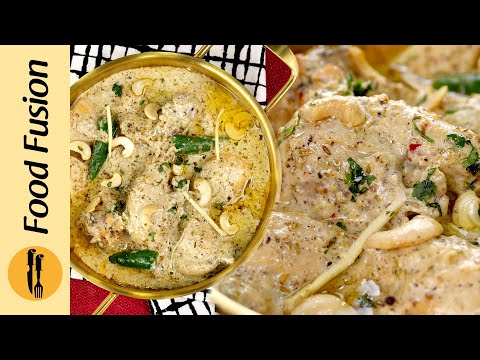
Craving a rich, creamy, restaurant-style curry you can make tonight? This white chicken karahi brings a silky sauce and gentle spices to your table in about 30 minutes. Bone-in chicken pieces give the sauce natural depth and richness, while yogurt, fresh cream, ginger, garlic, and onions create that luxurious texture you want. A blend of black pepper, white pepper, and garam masala adds refined heat that balances the cream, cooked in a hot wok to keep the meat tender while the sauce reduces to a glossy finish. This creamy dish is reliable for busy weeknights and unexpected guests alike.
: Fresh Ingredients You Need
Instructions
-
Step 1: Sear the Chicken
Heat ¼ cup of oil in a wok over high heat. Carefully add chicken pieces to the hot oil and fry for about 2 minutes until the color shifts from pink to pale.
-
Step 2: Add Aromatics and Spices
Lower the flame slightly and mix in the onion paste, ginger-garlic paste, and green chili paste. Sprinkle your freshly ground spices and a pinch of garam masala.
-
Step 3: Cook Until Oil Separates
Stir continuously for 5 minutes until the onion water evaporates and oil separates.
-
Step 4: Simmer with Yogurt
Add the whipped yogurt, cover, and simmer for 10–15 minutes until the bone-in chicken is tender and the yogurt water reduces.
-
Step 5: Finish with Cream
Uncover, pour in the cream, stir for 1 minute to finish the sauce to a glossy consistency.
Note
Use fresh ginger and garlic paste made minutes before cooking — bright oils cut through the cream and lift the sauce. Toast whole garam masala (cardamom, cloves, cinnamon stick) briefly, grind coarsely, and add near the end for a warm, floral aroma. Adjust heat with white pepper powder for a subtle bite without darkening the sauce; use black pepper for sharper heat. Try a small cube of butter stirred in off-heat for a silkier finish. Marinate chicken in yogurt, spices, and salt for 30 minutes to deepen flavor. Garnish immediately after cooking with julienned ginger and green chilies to keep their fresh aroma. Use freshly ground peppercorns — quality matters more than quantity. Keep cream addition last and on low heat to avoid breaking the sauce. Do not boil the curry once cream is added, as it can curdle the dairy. If the gravy is too thick, loosen it with a splash of milk or water. A thin layer of oil on top is the classic sign the karahi is done.
Pin this recipe to share with your friends and followers.

Frequently Asked Questions
What cut of meat gives the best flavor for this white karahi?
Bone-in pieces like thighs and drumsticks give richer taste and juicier results. If you prefer faster cooking, use boneless thighs, but reduce cooking time to avoid drying out the meat.
Can you make this with boneless meat instead of bone-in?
Yes. Boneless pieces work well and cut down cook time. Sear on medium-high heat and watch for doneness to keep the texture tender. Adjust spices and liquid as needed.
How do you make the ginger-garlic-onion paste quickly?
Peel and roughly chop equal parts ginger and garlic with sliced onion, then blitz in a small food processor with a splash of oil or a little water. Scrape the sides and pulse until smooth.
Should I use black pepper or white pepper in the spice mix?
Black pepper gives a bold, warm bite; white pepper offers a subtler, cleaner heat that maintains the pale sauce. Use a blend if you want complexity—start light and adjust to taste.
What’s the role of garam masala and when should I add it?
Garam masala adds aromatic depth. Sprinkle a small amount toward the end of cooking so the fragrance stays bright without overpowering the creamy profile.
How do you achieve a smooth, creamy texture without heavy cream?
Use a mix of high-fat yogurt and a touch of milk, tempered into the hot pan slowly to prevent splitting. Alternatively, finish with a splash of light cream for silkiness.
Is there a recommended pan for authentic results?
A heavy-bottomed wok or cast-iron skillet distributes heat evenly and helps develop a good sear. Nonstick pans work for gentle cooking but won’t yield the same fond for sauce depth.
How long does this typically take from start to finish?
Expect about 35–45 minutes total: 10–15 minutes prep for pastes and spices, then 25–30 minutes to brown and simmer the meat until tender, depending on cut and size.
Can you make the dish ahead and reheat it later?
Yes. Cool quickly, refrigerate up to 3 days or freeze for up to 2 months. Reheat gently on low heat with a splash of water or milk to restore creaminess, stirring occasionally.
How can you make a spicier or milder version for guests?
For more heat, add green chilies or a pinch of cayenne early in cooking. For milder tastes, omit chilies and reduce ground pepper, then add fresh cilantro and lemon to brighten the dish.
What common mistakes should you avoid when making this dish?
Avoid overcrowding the pan (it steams instead of browns), adding dairy to a rolling boil (it can split), and overcooking boneless pieces. Taste and adjust seasoning as you go.
Which garnishes and sides pair best with the dish?
Garnish with julienned ginger, chopped cilantro, and a squeeze of lemon. Serve with naan, basmati rice, or a simple cucumber-yogurt salad to balance richness.
Are there recipe swaps for dietary preferences like low-fat or dairy-free?
Use low-fat yogurt and skim milk for a lighter version. For dairy-free, substitute coconut cream or cashew cream—adjust spices to balance the slight sweetness those add.
How should you adjust spices when scaling the recipe for a crowd?
Scale spices proportionally but start slightly under and taste as you go—intensity can concentrate in larger pots. Maintain high heat for searing, then lower for even simmering.